Marriage ceremonies in South India are rich in tradition, spirituality, and symbolism, reflecting centuries of cultural heritage. While customs vary across Tamil, Telugu, Kannada, and Malayali communities, the core rituals share a sacred Vedic foundation.
The key rituals in south Indian marriages are Mangala Snanam, Kanyadaanam, Mangalya Dharanam, Saptapadi, Homam etc along with they follow some unique traditions such as Oonjal (swing ceremony) and Kashi Yatra in Tamil Brahmin wedding. Jeelakarra Bellam (cumin-jaggery paste) in Andhra and Telangana.
Oonjal
In a Tamil Brahmin marriage, the Oonjal ritual is a beautiful and symbolic pre-wedding ceremony that typically takes place on the evening before the Muhurtham (main wedding ceremony). “Oonjal” means swing in Tamil, and this ritual involves the bride and groom sitting together on a decorated swing while elders bless them.
Significance of the Oonjal Ceremony
- Symbol of Balance: The swinging motion represents the ups and downs of married life. Sitting together in balance shows the couple must support each other in harmony.
- Welcoming the Bride: It is often the first public moment where the bride is welcomed into the groom’s family with love and blessings.
- Blessings and Prosperity: Elders offer blessings, ward off evil (drishti), and pray for a happy married life
What Happens During Oonjal
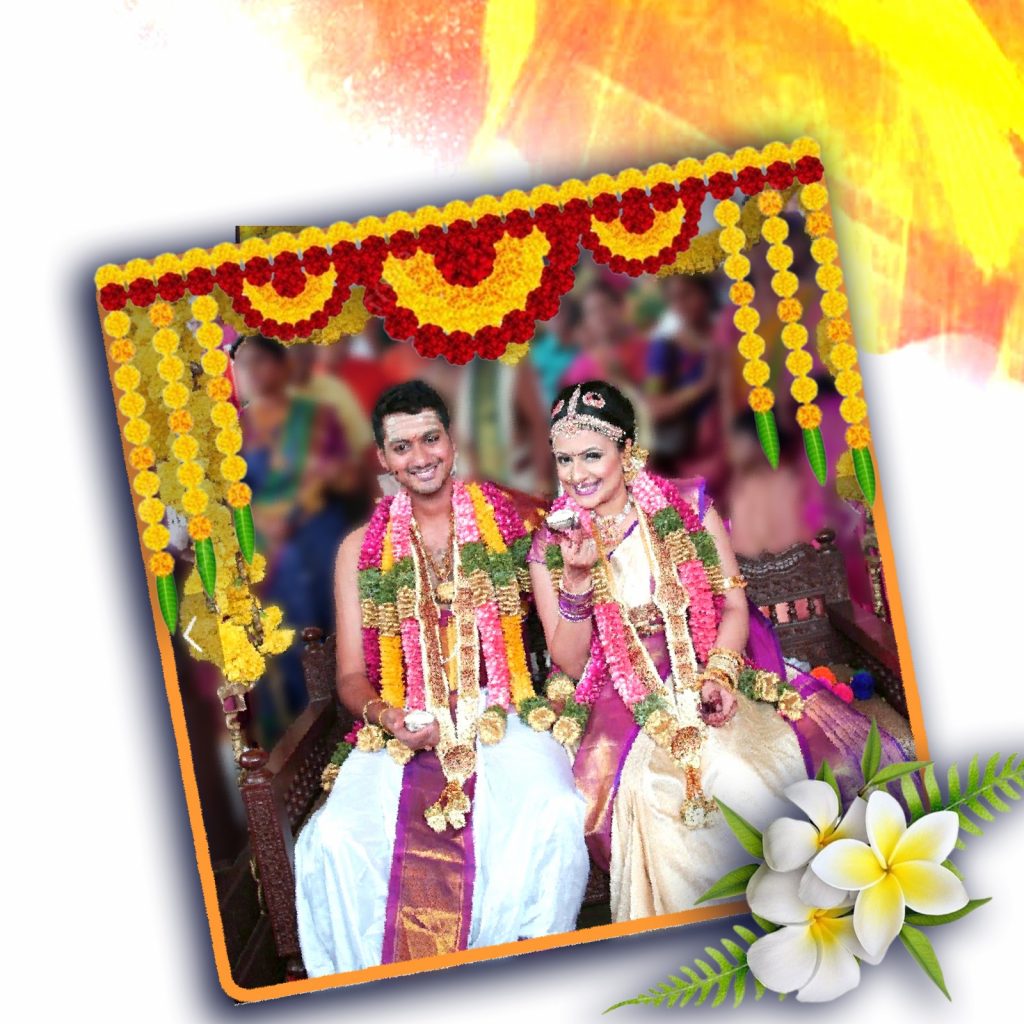
- Decorated Swing:
- A traditional swing is decorated with flowers, usually jasmine and roses. The bride and groom sit side by side
- Aarti & Songs:
- Women from the family sing nalangu pattu (wedding songs), perform aarti, and
gently swing the couple
Kashi Yatra (or Kashi Yatre)
Kashi Yatra is a humorous and symbolic ritual in Tamil
Brahmin weddings (and other South Indian Brahmin communities), usually performed before the
muhurtham (main wedding ceremony)
What is Kashi Yatra? In this ritual, the groom pretends to renounce worldly life and announces
his decision to become a sanyasi (ascetic). He declares he will go to Kashi (Varanasi), the spiritual
city, in pursuit of a holy life — instead of marrying and settling down
How the Ritual Unfolds
- Groom’s Declaration:
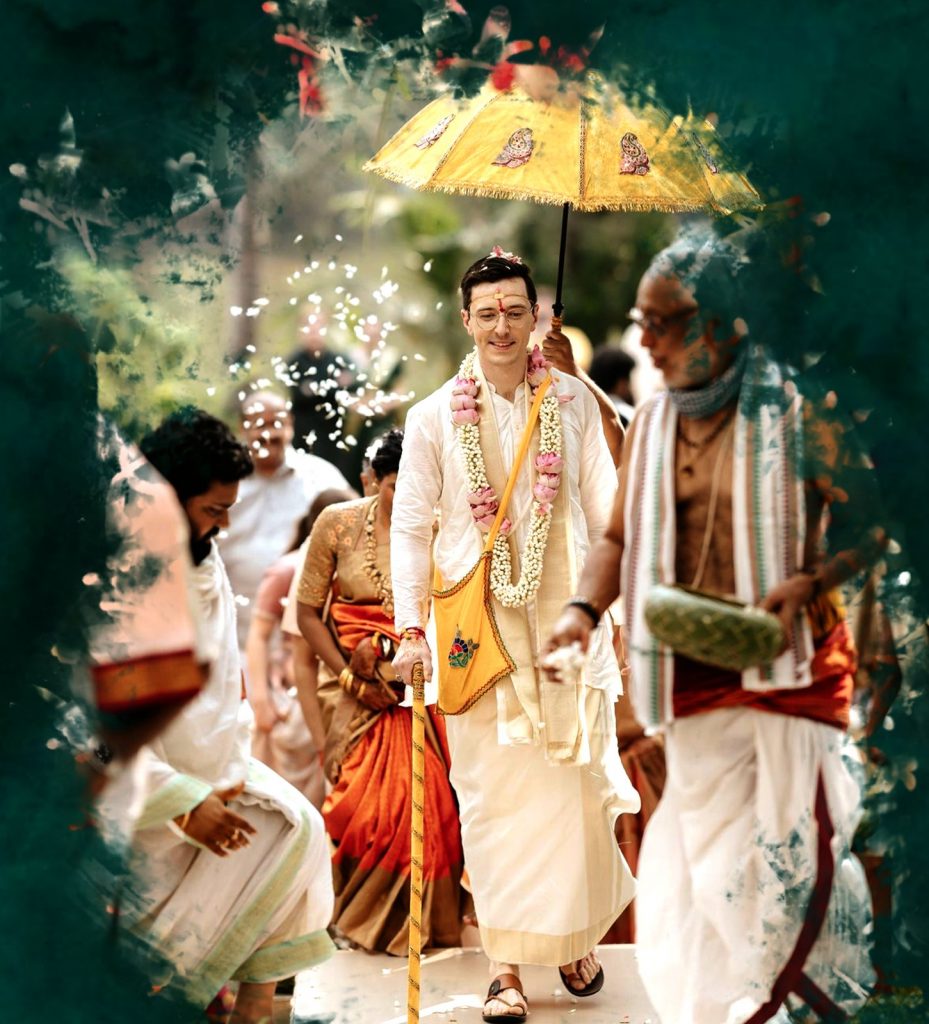
- Dressed in traditional attire (usually dhoti and angavastram), with a walking stick, an umbrella, a copy of religious texts, and a cloth bag.He announces: “I am going to Kashi to lead a spiritual life!”
- Mock Departure:
- He prepares to leave the mandapam as if on a pilgrimage to Kashi.
- Bride’s Father Intervenes:
- The bride’s father stops him and persuades him not to renounce the world.He offers his daughter in marriage (through Kanyadaanam) and asks the groom to fulfill his grihastha dharma (duties of a householder)
- Groom Agrees:
- With a smile and often playful banter, the groom accepts and returns to the mandapam to proceed with the wedding
Jeelakarra Bellam
Is a deeply symbolic and sacred ritual in Andhra Pradesh
Hindu weddings, especially among Telugu-speaking communities. It usually takes
place during the muhurtham — the most auspicious moment of the wedding.
What is Jeelakarra Bellam? • Jeelakarra = Cumin seeds Bellam = Jaggery
These are ground and mixed into a paste and represent the bittersweet nature of life.
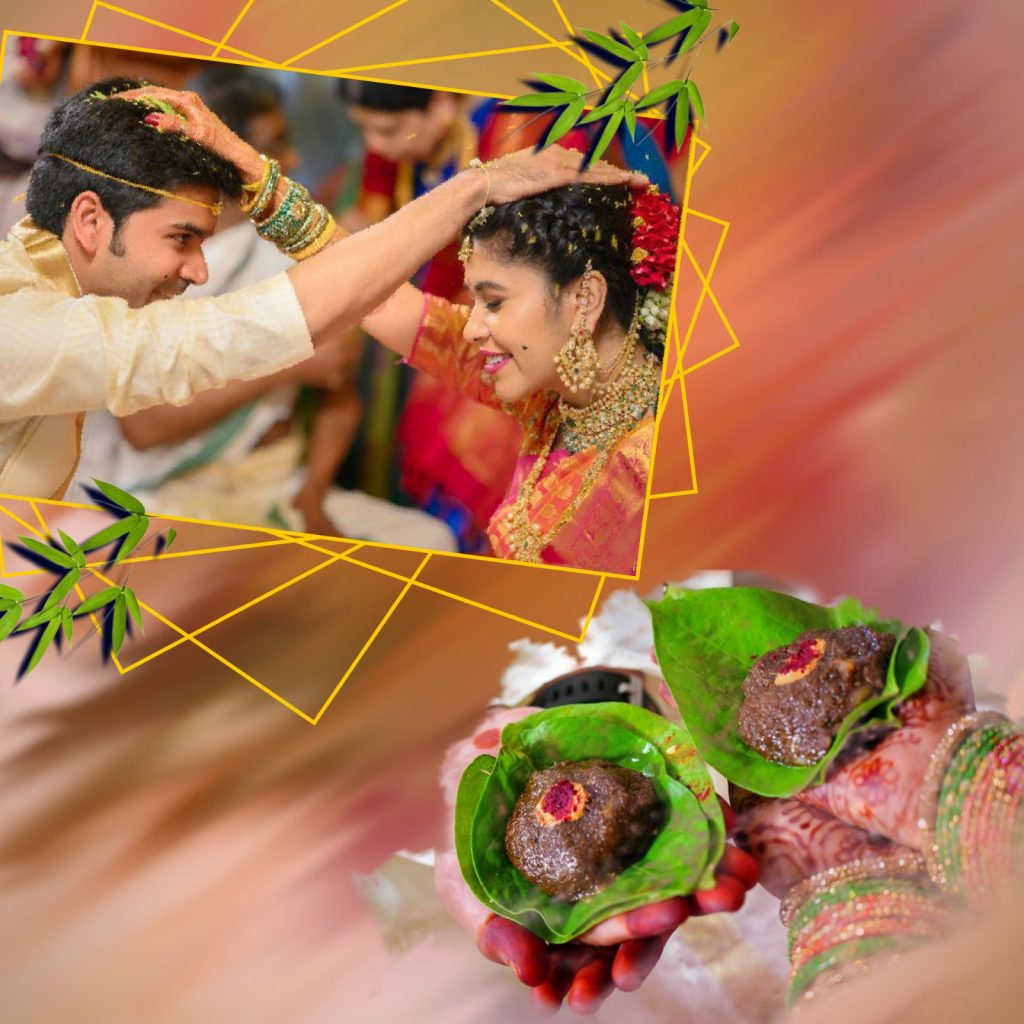
- Ritual Description:
- Preparation
- A paste of cumin and jaggery is made. The bride and groom are seated on either side of a curtain (teraa or screen) that separates them.
- Sacred Moment:
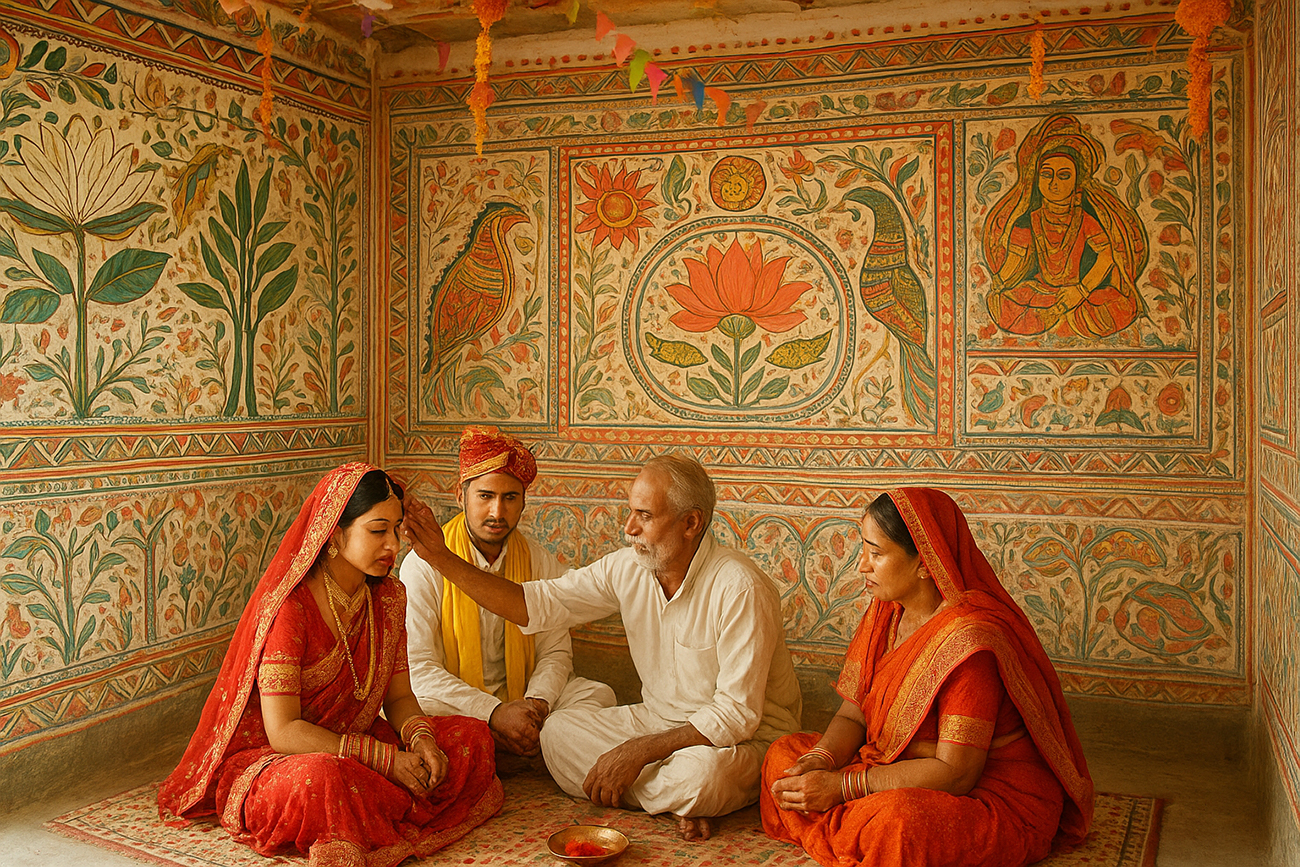
- At the exact muhurtham, the priest chants mantras.The curtain is removed, and the bride and groom simultaneously place the jeelakarra bellam paste on each other’s heads, typically on the crown (top of the head or hair parting).
- Symbolism
- It marks the moment they become spiritually one — the union of two souls. Cumin (slightly bitter) and jaggery (sweet) symbolize that life will have both joys and challenges, and they vow to face them together with understanding and love