Asia
NORTH INDIAN MARRIAGE RITUALS
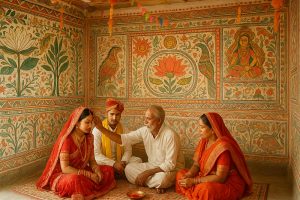
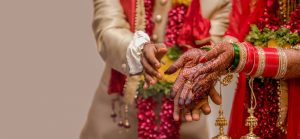
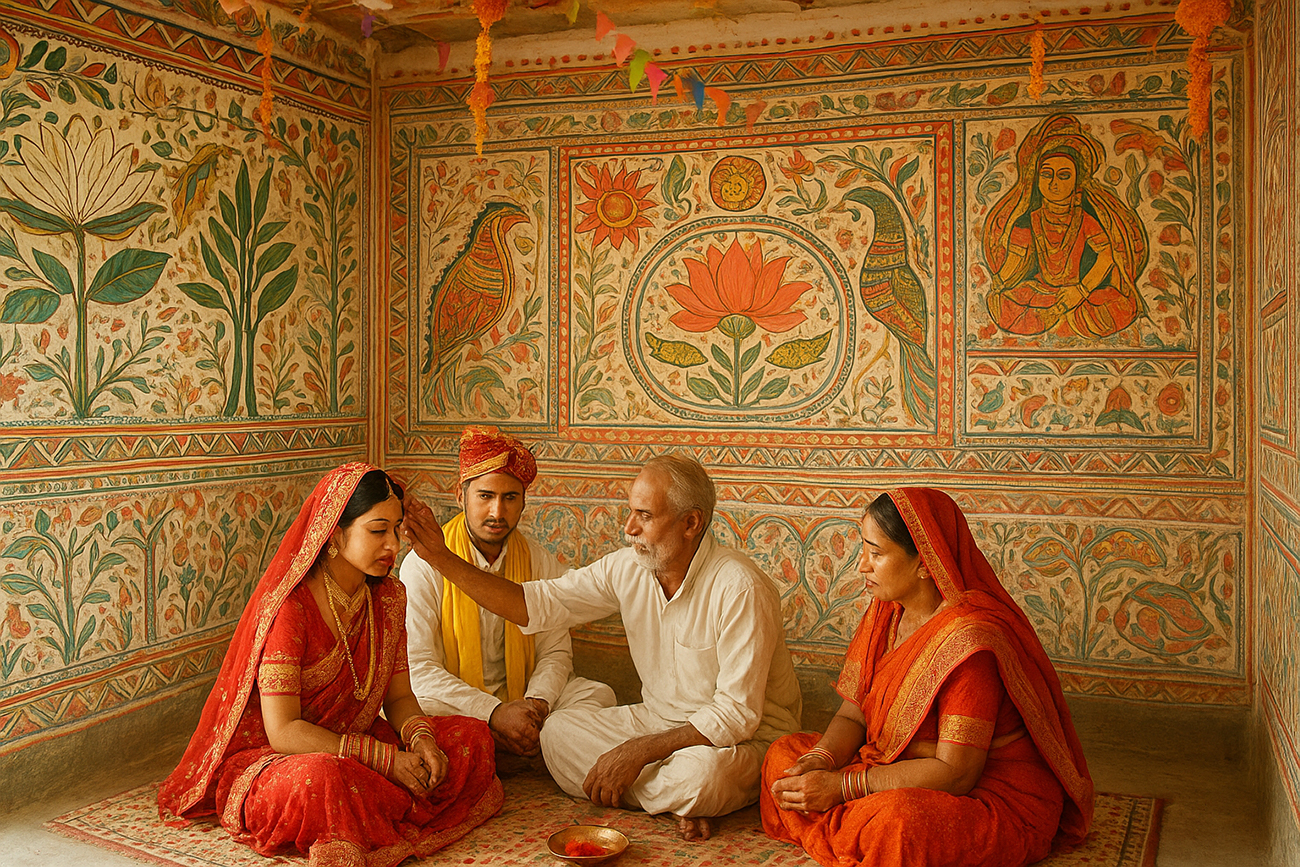
North Indian Vedic marriages are deeply spiritual, following ancient Hindu scriptures—vibrant, ritual-rich, and deeply rooted in Vedic traditions, with regional variations across states like Uttar
North Indian Vedic marriages are deeply spiritual, following ancient Hindu scriptures—vibrant, ritual-rich, and deeply rooted in Vedic traditions, with regional variations across states like Uttar
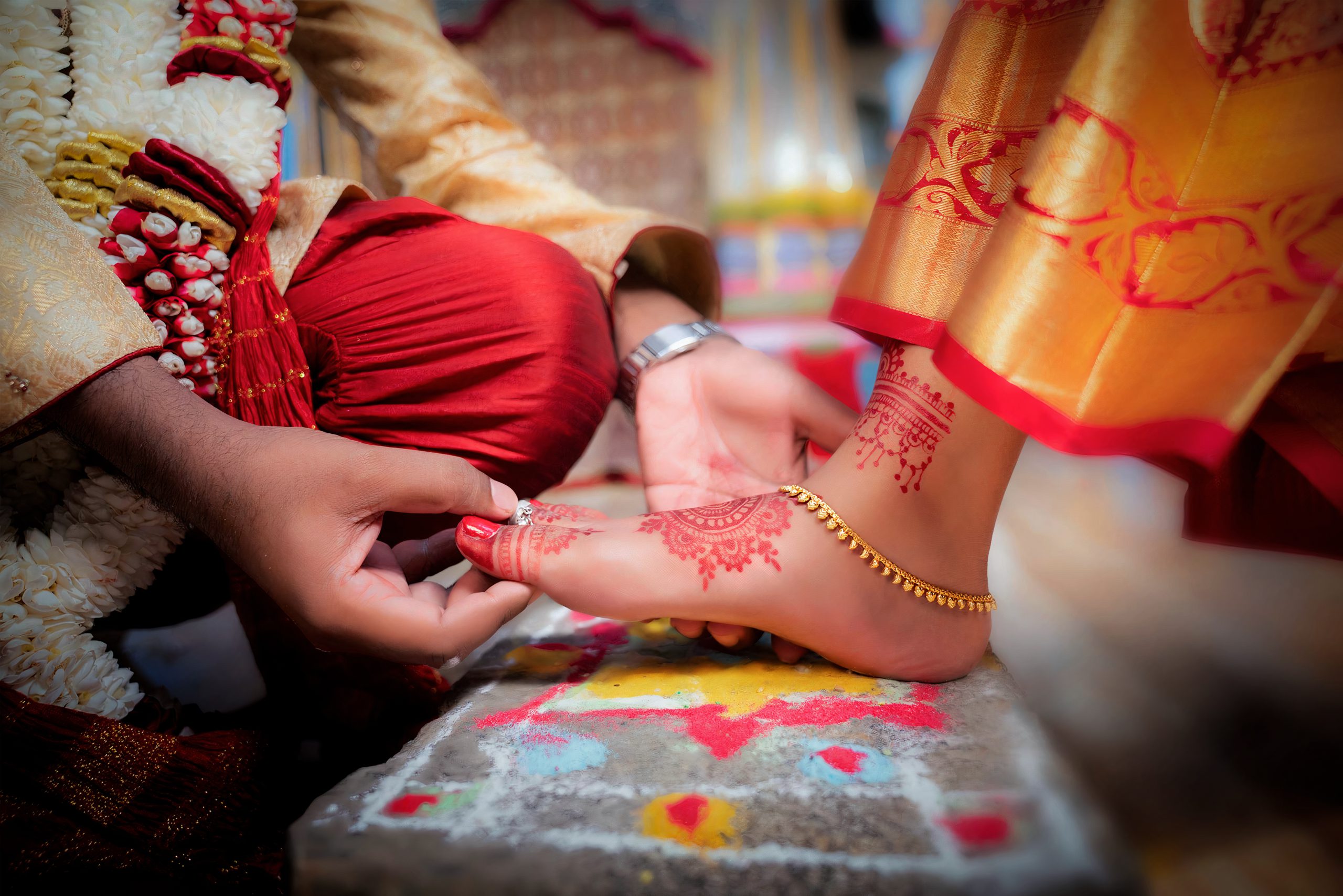
What devotee marriage means, the three pillars of spiritual Hindu marriage, and how to find a spiritually aligned partner beyond generic matrimonial apps.
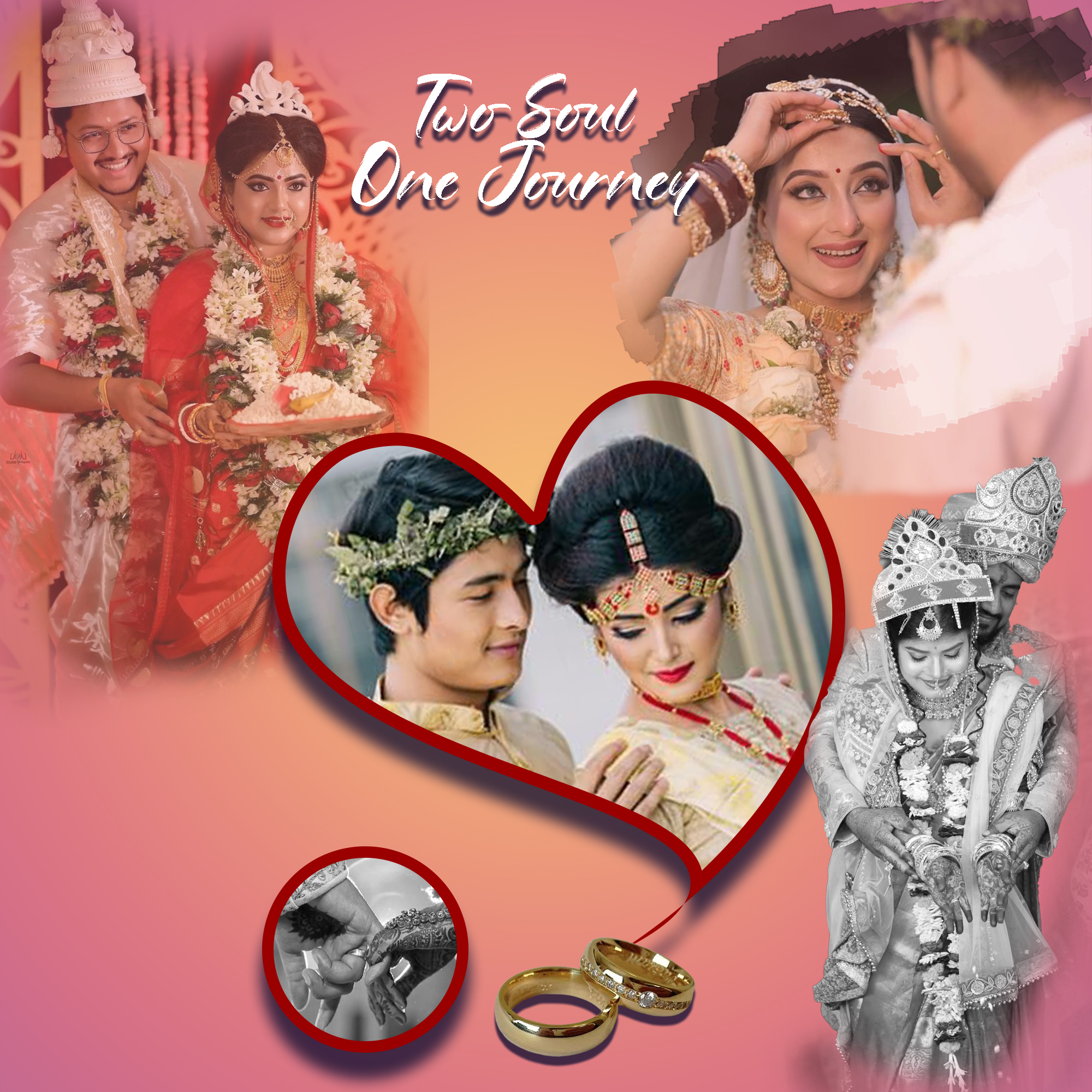
In the eastern side of India—covering West Bengal, Odisha, Bihar, and Jharkhand—Vedic marriages follow the Sana tan Dharma rituals but are richly infused with each
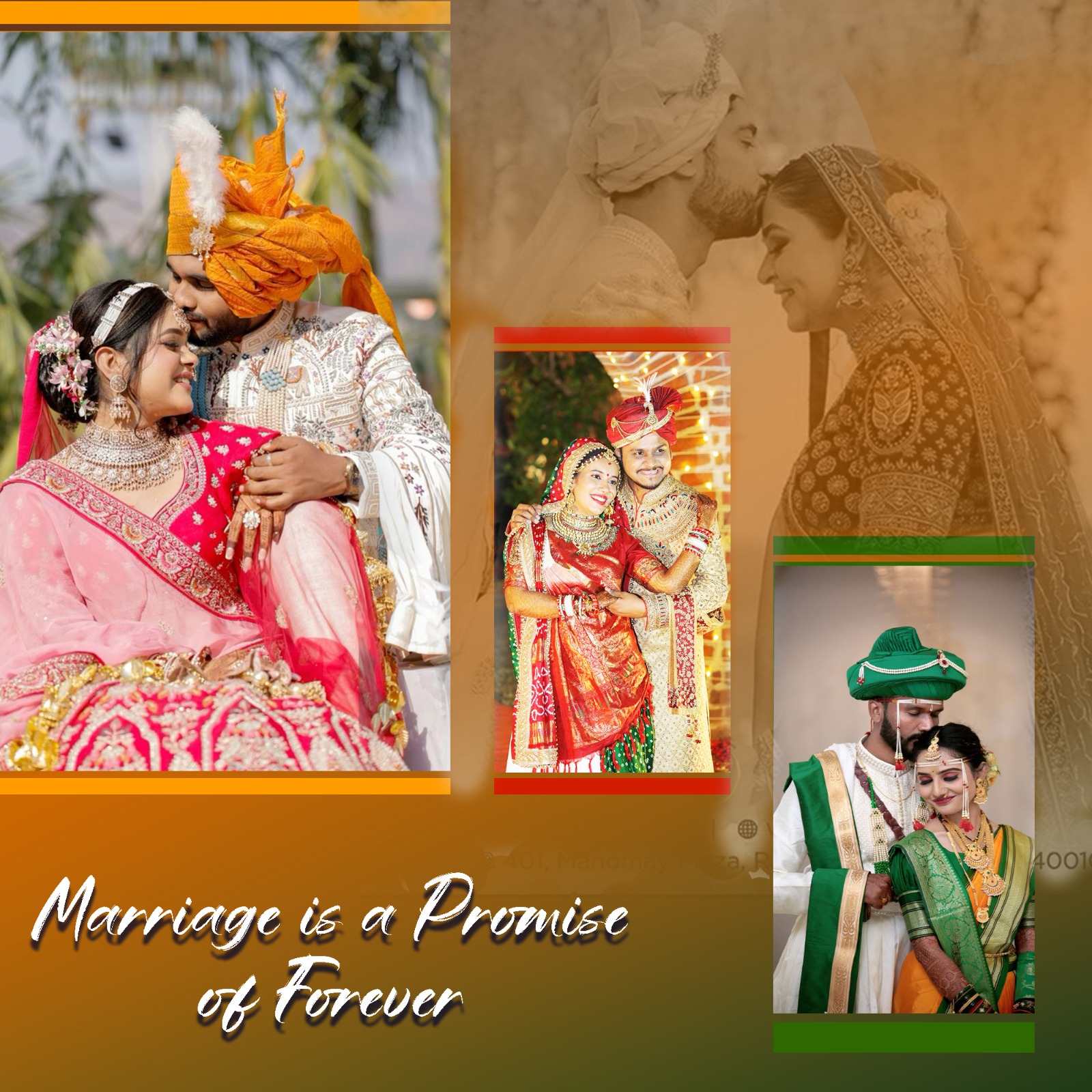
West Indian marriages include a rich blend of traditions, rituals, and regional customs. The western part of India typically refers to Maharashtra, Gujarat, Rajasthan, and
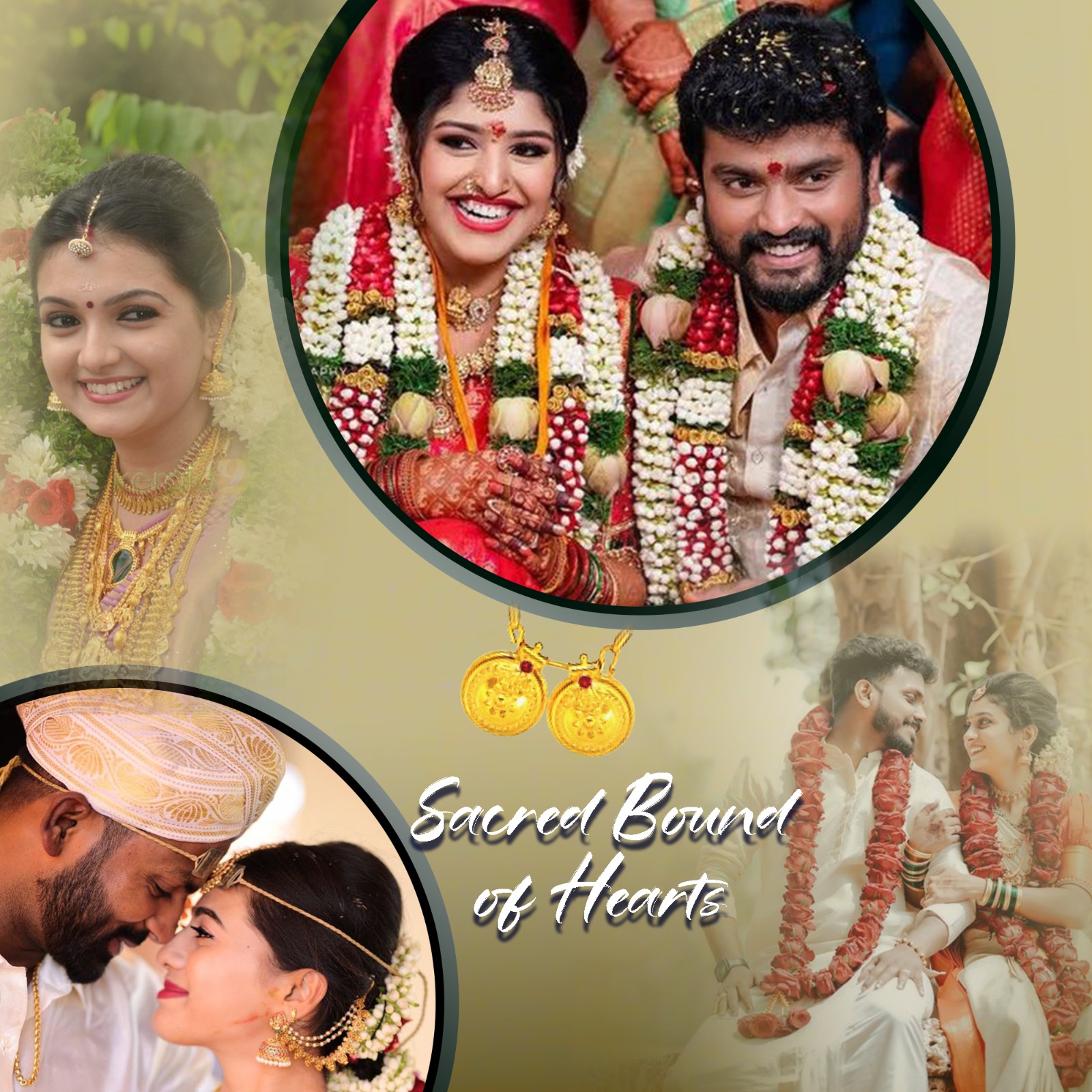
Marriage ceremonies in South India are rich in tradition, spirituality, and symbolism, reflecting centuries of cultural heritage. While customs vary across Tamil, Telugu, Kannada, and
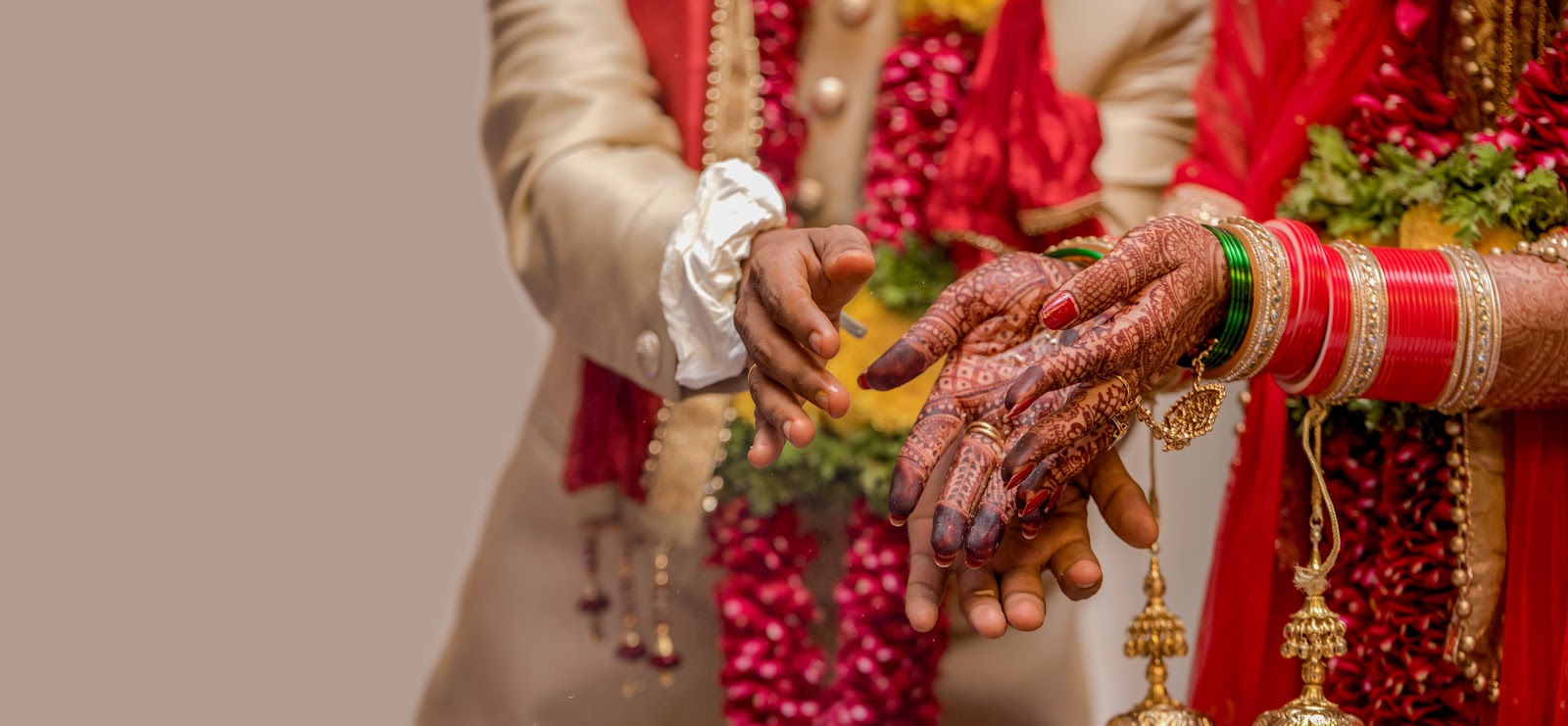
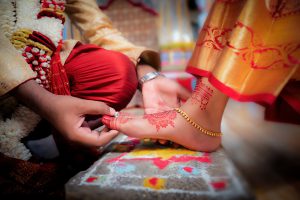
Key Vedic marriage rituals—Ganesha Puja, Kanyadāna, Vivāha Homa, Pāṇigrahaṇa, Saptapadi, Maṅgalsūtra, and Āśīrvāda—and what each sacred step means.
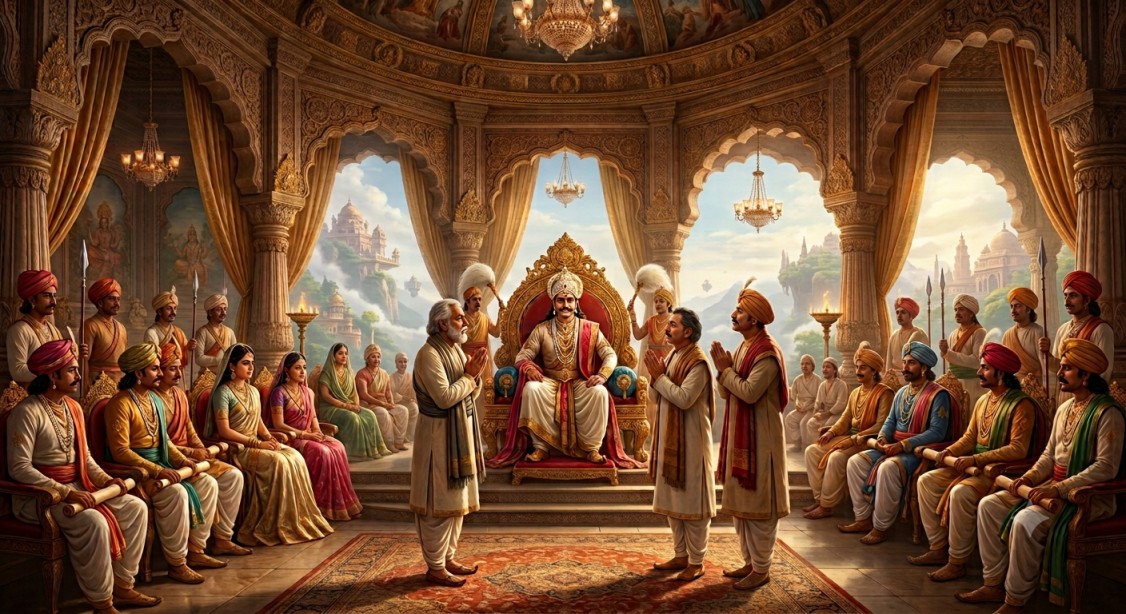
The pivotal step in a Vedic marriage is Varapreṣaṇam, the formal proposal. The Ṛgveda (RV 10.85.9) sheds light on this sacred practice: “ somo vadhūyur
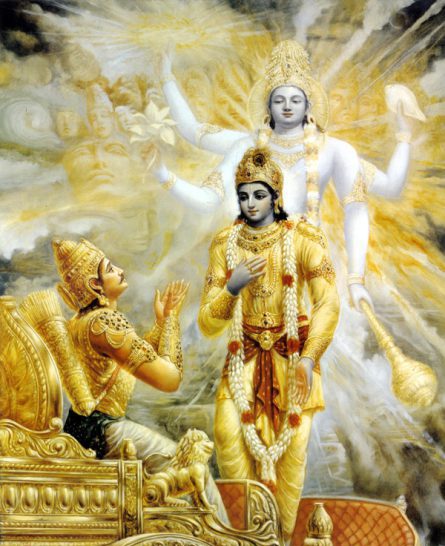
What the Bhagavad Gītā teaches about marriage as yajña: how vivāha-yajña purifies the mind and supports spiritual growth for householders.
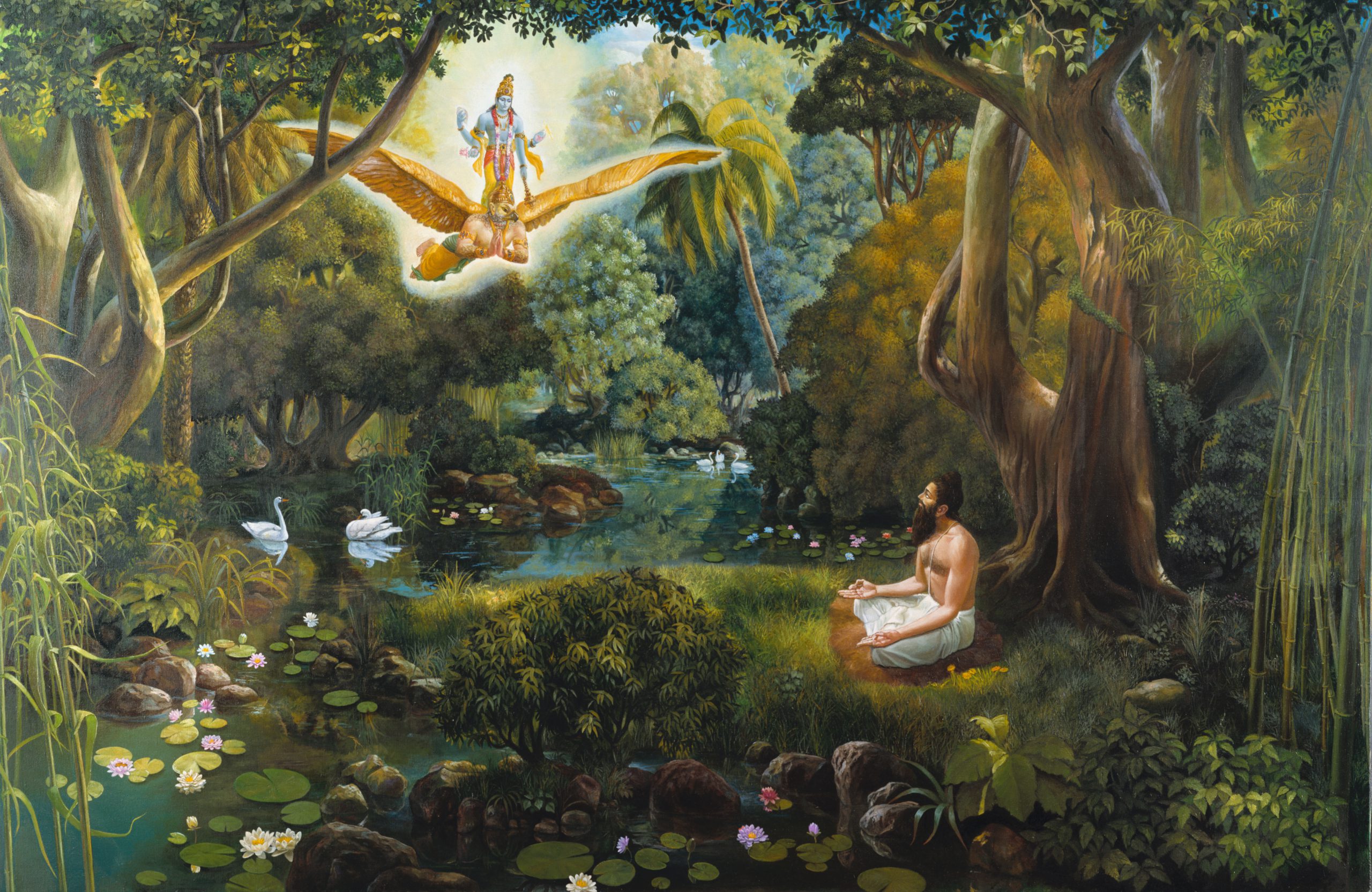
Vedic guidance on choosing a life partner of like disposition—lessons from Kardama Muni and Devahuti on character, values, and lasting harmony.
What is Vedic marriage? A clear guide to Vivāha Saṃskāra, gṛhastha life, and partnership as spiritual friendship—not only a social contract.