The pivotal step in a Vedic marriage is Varapreṣaṇam, the formal proposal. The Ṛgveda (RV 10.85.9) sheds light on this sacred practice:
“
somo vadhūyur abhavad aśvināstām ubhā varā |
sūryāṃ yat patye śaṃsantīm manasā savitādadāt ||
— Ṛgveda 10.85.9
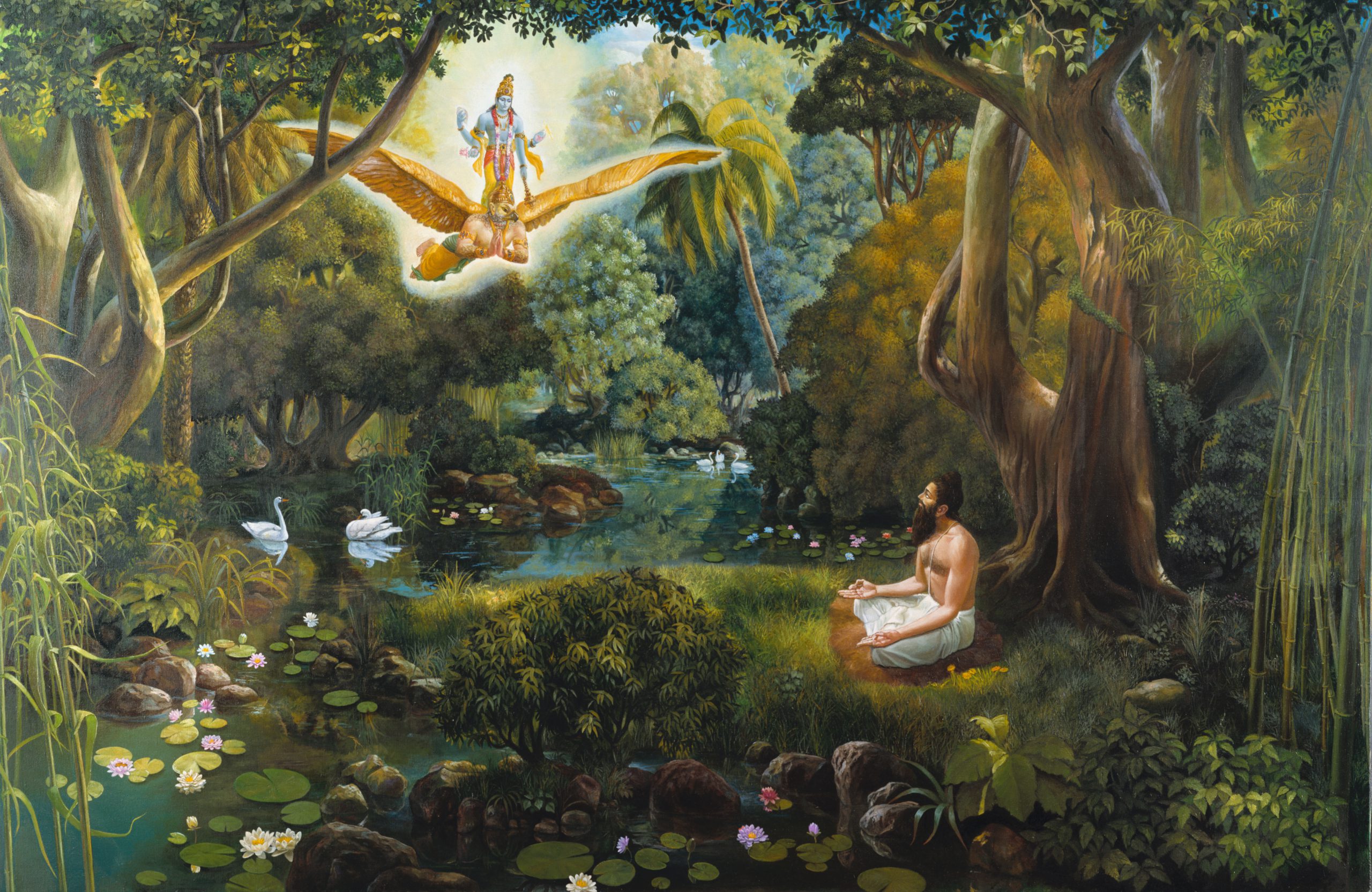
Soma was the bridegroom; both Aśvinā the accompanying ones. When Sūryā wished for a husband in her mind, Savitā bestowed Soma as her husband.
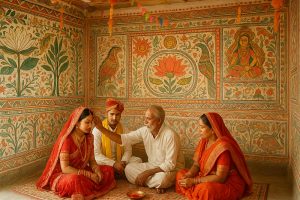
Two representatives, known as varas, are sent from the groom’s side to formally seek the bride’s hand—reminiscent of the Aśvinā seeking Sūryā for Soma.
Once the bride’s father gives consent, seeing that his daughter wishes for marriage, the two wooers are sent away with prayers for their safe journey.
Two Important Points
There are two important things to be noted here:
- First, the willingness and happiness of the bride-to-be is required, as much as that of the elders arranging the marriage. This is indicated specially in the verse śaṃsantīm manasā—“who wished by her mind.”
- Second, savitādadāt means given, handed over, or bestowed upon. The wording of the mantra is ambivalent (or rather, intentionally so) on whether the bride is bestowed on the groom, or the groom bestowed on the bride. That mutual bestowal is the ideal. Yet a fraction of people read it as the bride being bestowed on the groom, since he takes her to his home (patrilocality). This is the source for the logic of kanyādāna—although the modern kanyādāna ceremony itself is not Vedic and is therefore omitted by fundamentalists like Āpastamba (as opposed to traditionalists) from discussion.