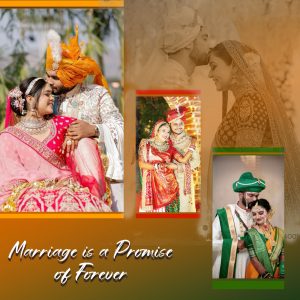
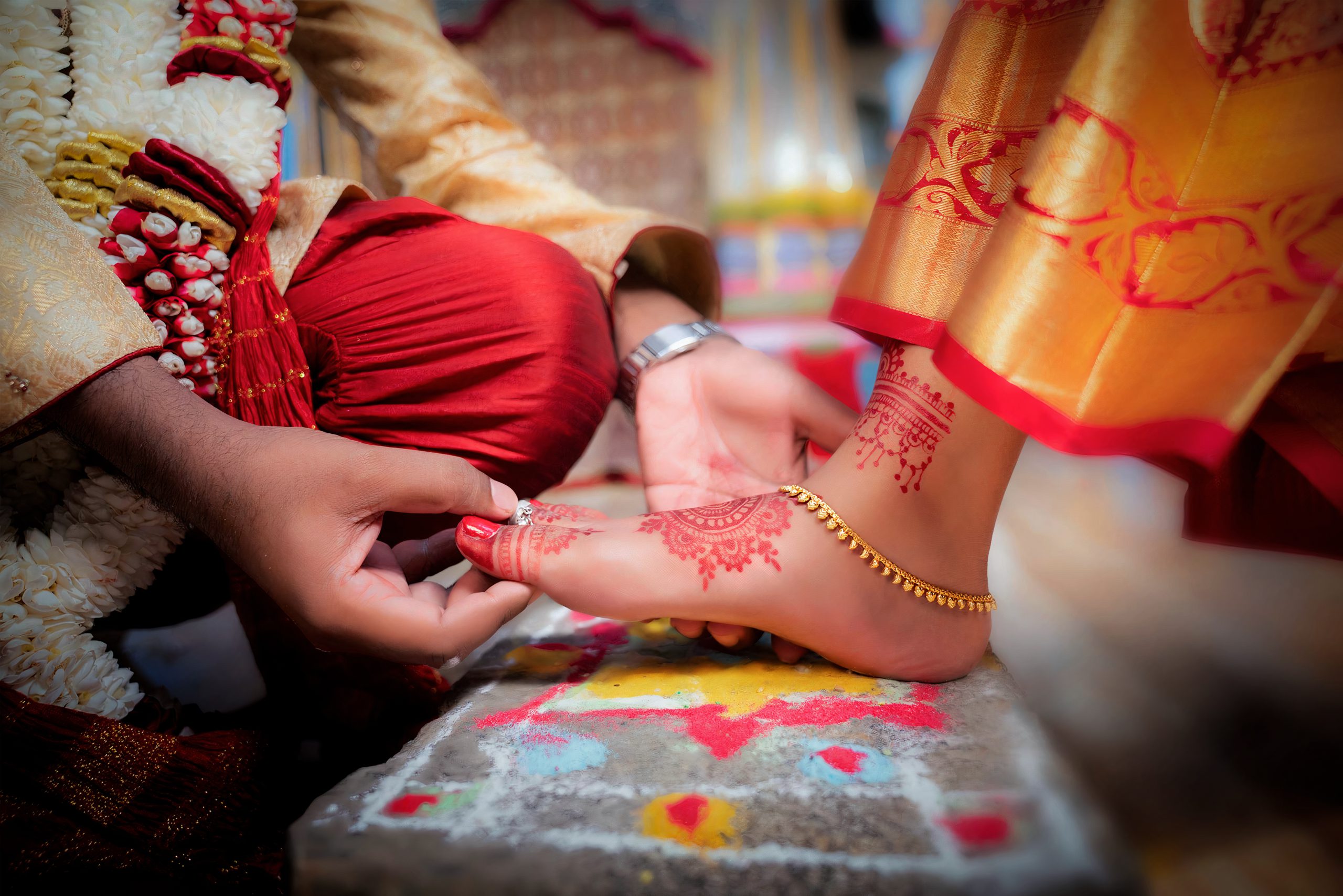
West Indian marriages include a rich blend of traditions, rituals, and regional customs. The western part of India typically refers to Maharashtra, Gujarat, Rajasthan, and Goa. Each state brings its unique flavor to Vedic weddings. In a traditional Maharashtrian wedding, Sankalp and Seeman Poojan are significant pre-wedding rituals that symbolize commitment and respect between the families.
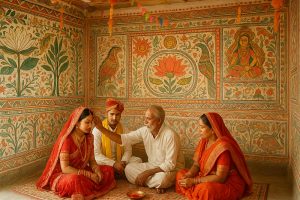
Sankalp Ritual
- This is a ceremonial vow-taking ritual performed by both the bride’s and groom’s families.
- It marks the formal agreement to proceed with the wedding.
- Performed during the Muhurat (auspicious time), usually after Ganapati Pooja.
- The bride and groom’s parents take a vow in front of the deities, invoking blessings for a peaceful and successful wedding.
- Mantras are chanted, and a symbolic resolution is made to honor the marriage alliance.
Seeman Poojan
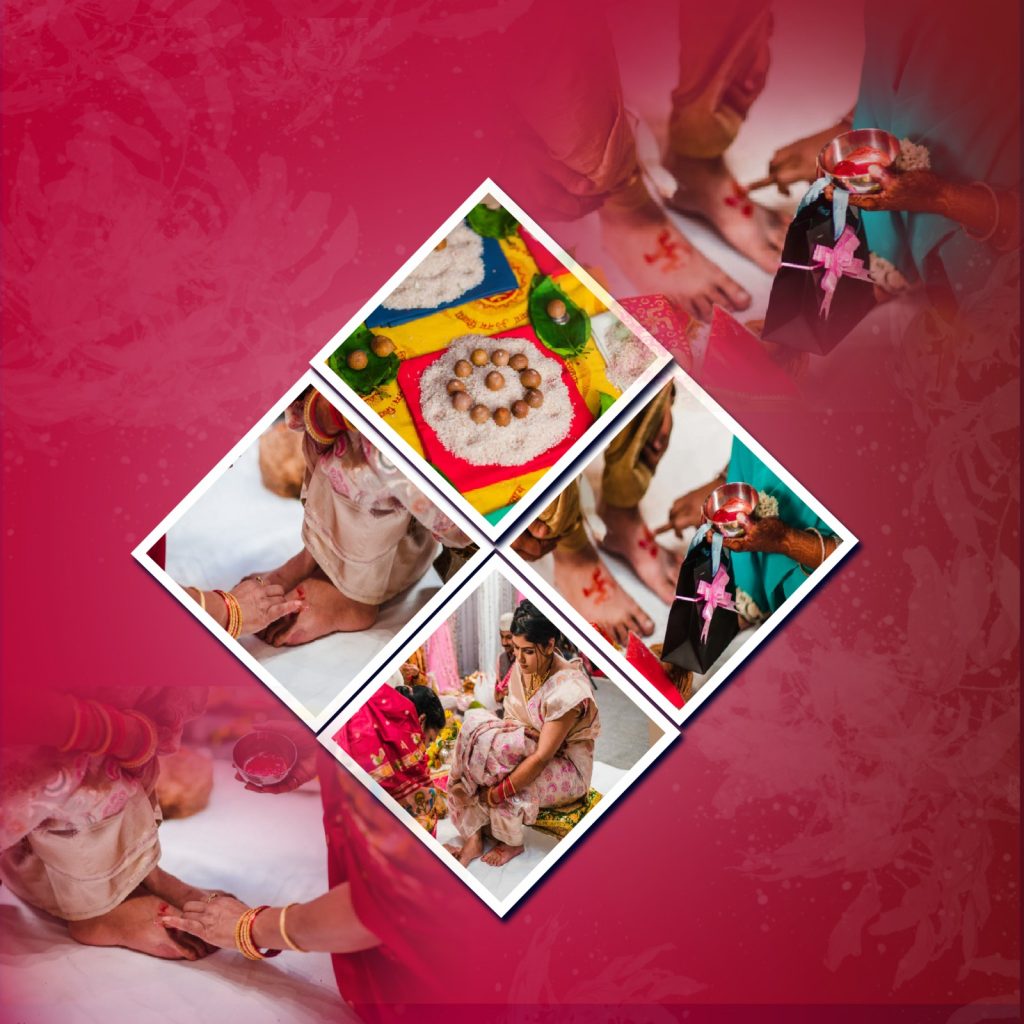
- This ritual happens when the groom and his family arrive at the bride’s place (or wedding venue).
- “Seema” means boundary — this pooja is done to welcome the groom at the threshold.
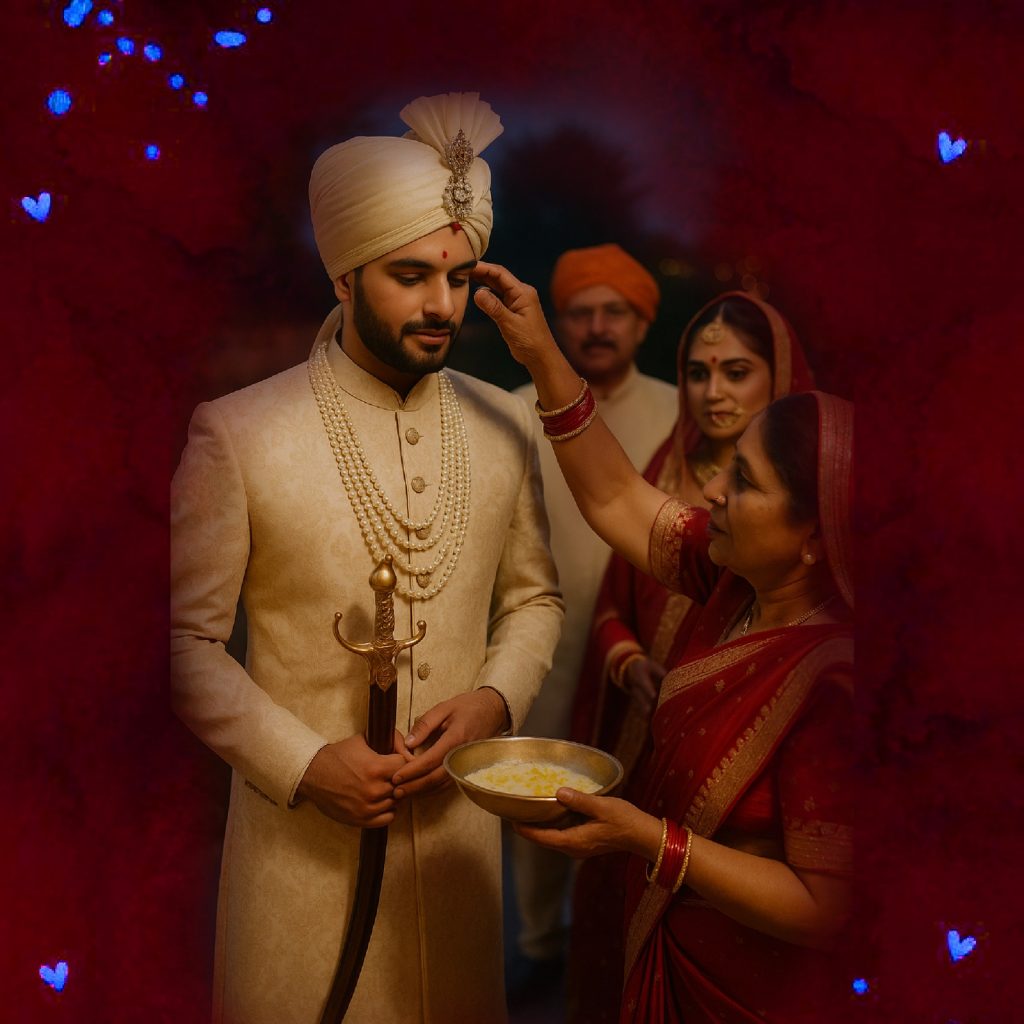
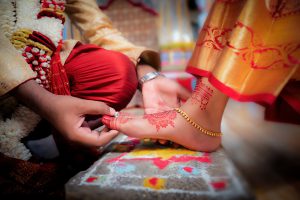
- The bride’s family washes the groom’s feet, applies tilak, performs aarti, and offers gifts and sweets.
- It is a gesture of honor, hospitality, and acceptance of the groom into their home and family.
Mundavalya
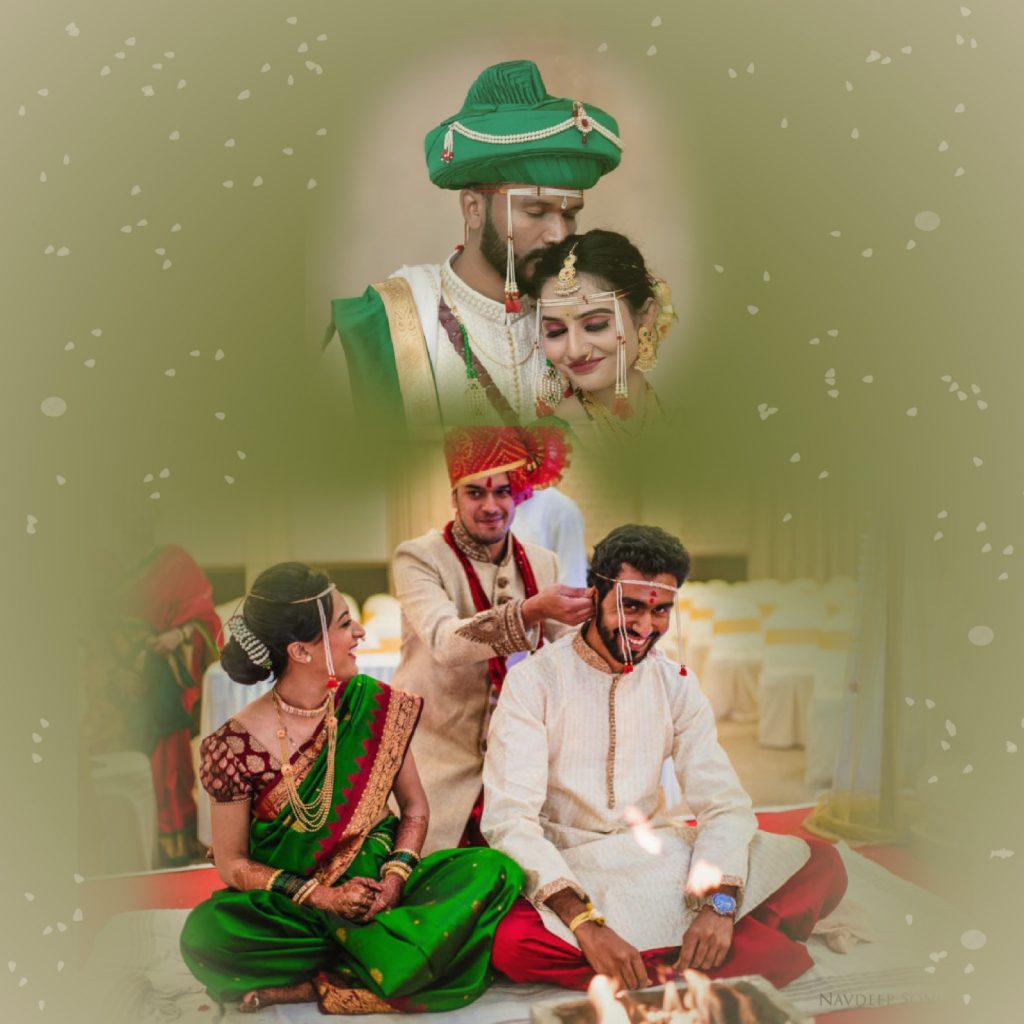
It is a significant pre-wedding ritual in a Maharashtrian wedding, symbolizing the bride and groom’s readiness for marriage. It is a traditional string of pearls or flowers tied across the forehead and hanging down on both sides of the face.
- The Mundavalya is tied just before the wedding ceremony starts.
- It is first tied on the groom’s forehead, signifying he is ready to accept marital responsibility.
- Then, the same is done for the bride, marking her readiness for the wedding.
- It represents equality and mutual acceptance between the bride and groom.
- Usually made of pearls, flowers (like jasmine), or golden beads.
- Hung from the temples, covering the forehead like a fringe.
Rajputana Sword Rituals in Weddings
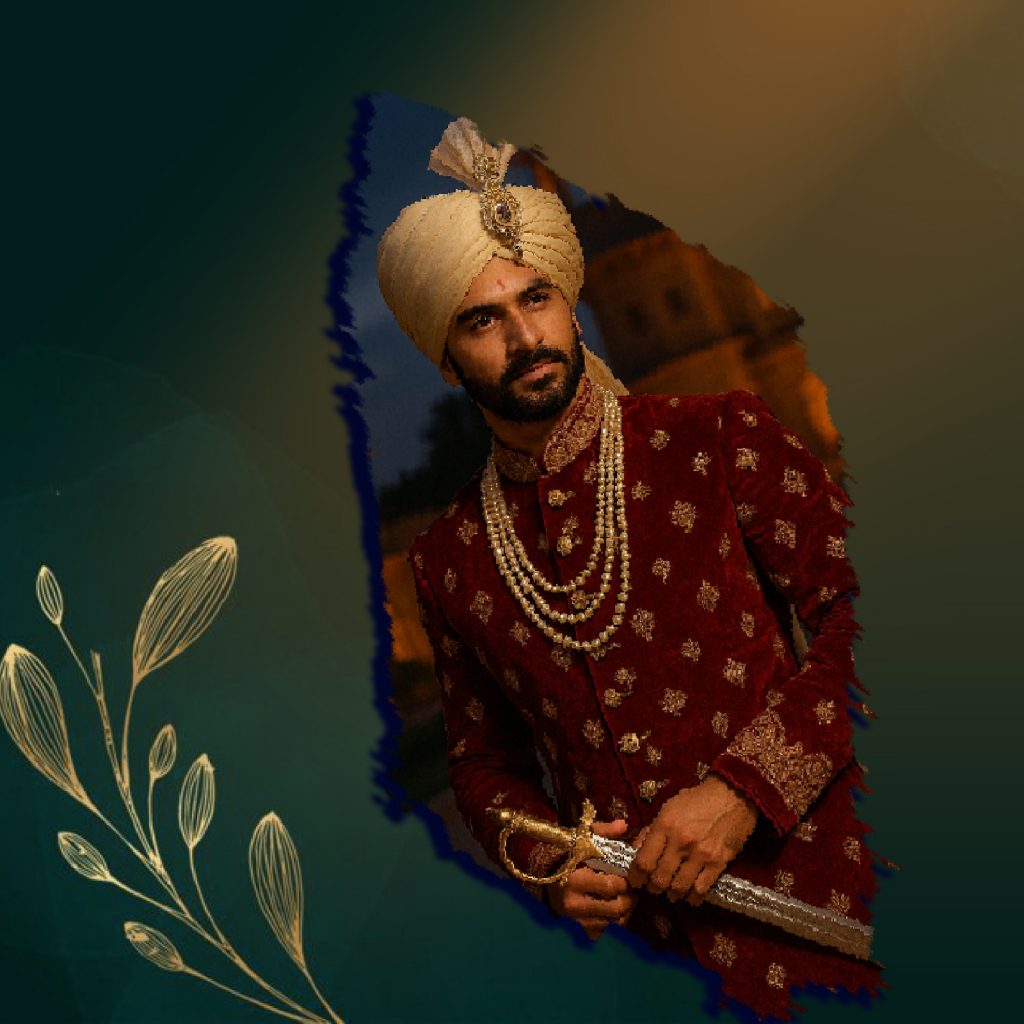
In Rajput weddings, the sword (talwar) holds deep symbolic and traditional significance. It represents valor, honor, and protection, traits deeply rooted in Rajput culture. These rituals are a proud reminder of the community’s warrior heritage.
- Tilak Ceremony (Raj Tilak or Shagun):
- The bride’s family applies a tilak on the groom’s forehead.
- A ceremonial sword is presented to him as a sign of respect and acceptance.
- It symbolizes that the groom is a protector and worthy of the bride.
- Sword as a Companion:
- During the wedding ceremony, the groom often carries the sword or wears it at his side.
- It symbolizes his readiness to protect his family and uphold dharma.
- Bride with Sword (in some clans):
- In progressive Rajput families or historical reenactments, the bride may also hold a sword, representing strength and equality.
- Ritual Sword Dance (Talwar Raas):
- Performed during the wedding festivities by Rajput men, this martial dance with swords showcases valor and is a visual highlight.
Madhuparka Ritual in Gujarati Wedding
In a traditional Gujarati wedding, the Madhuparka ritual is an ancient and auspicious welcome ceremony performed for the groom when he arrives at the bride’s home or wedding venue.
- Groom’s Welcome:
The groom is greeted warmly by the bride’s family, especially by her mother. - Washing of Feet:
The bride’s parents wash the groom’s feet with milk, honey, and curd (madhuparka) — symbolizing purity and respect, as he is seen as Vishnu incarnate. - Tilak & Aarti:
A kumkum tilak is applied on the groom’s forehead, followed by aarti and garland exchange (varmala). - Offering Madhuparka (Sweet Mixture): The groom is offered a special drink made from honey, ghee, and yogurt, called Madhuparka, to honor him and sweeten the moment.