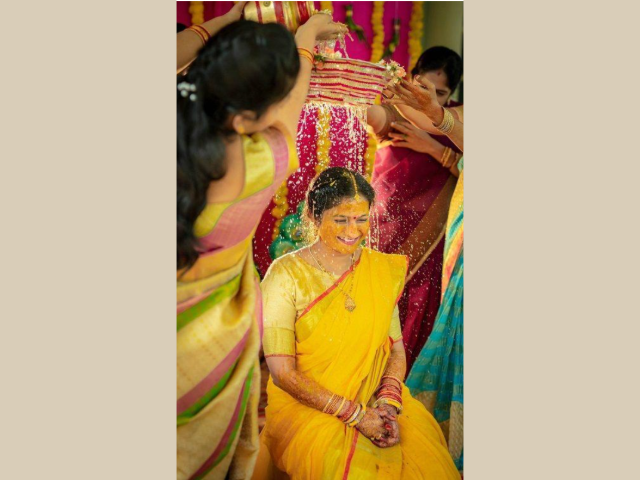
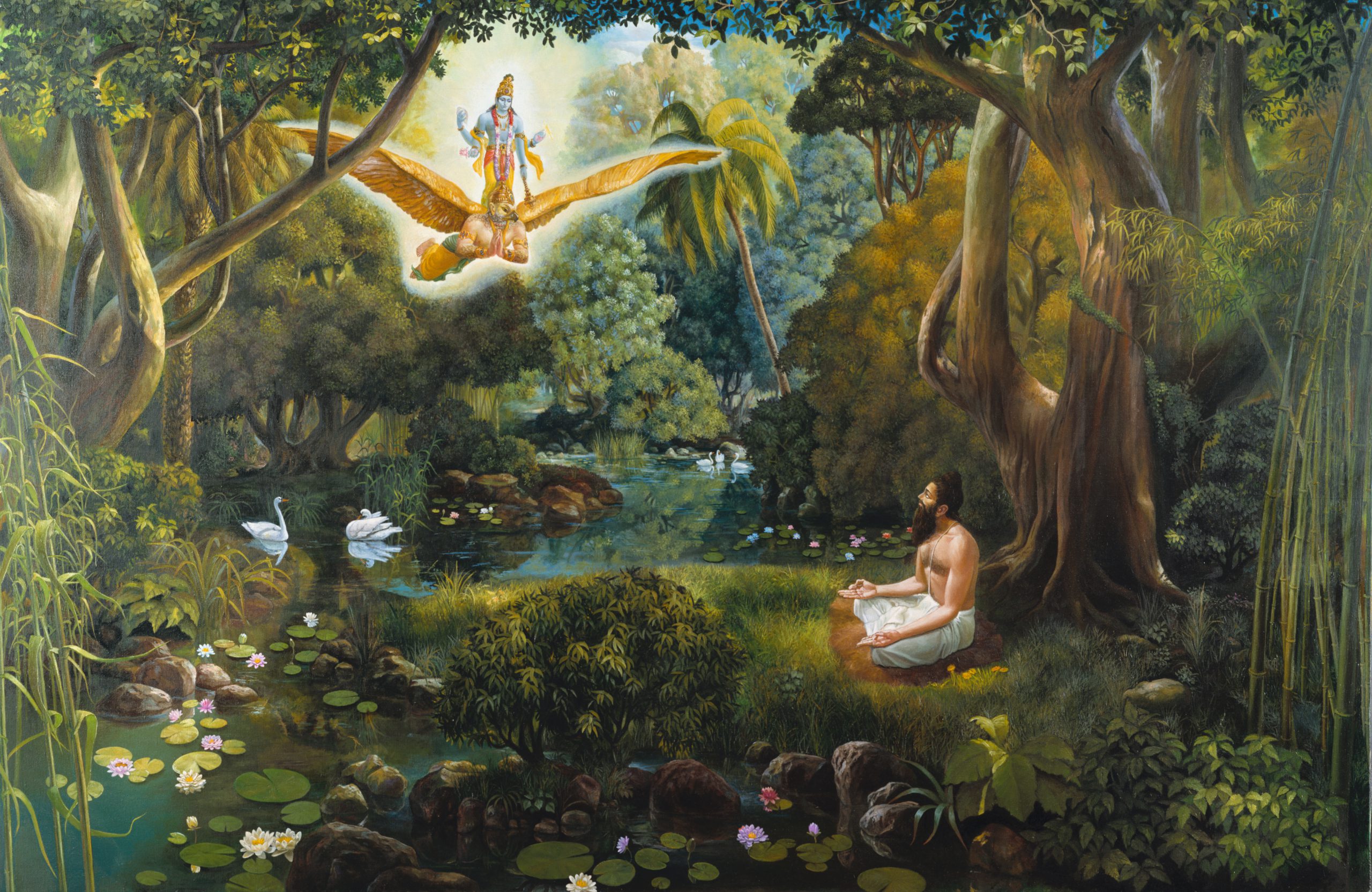
In the eastern side of India—covering West Bengal, Odisha, Bihar, and Jharkhand—Vedic marriages follow the Sana tan Dharma rituals but are richly infused with each region’s cultural and linguistic traditions.
West Bengal
Vedic Base: Kanyadaan, Saptapadi, Sindoor Daan.
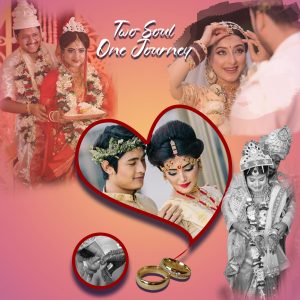
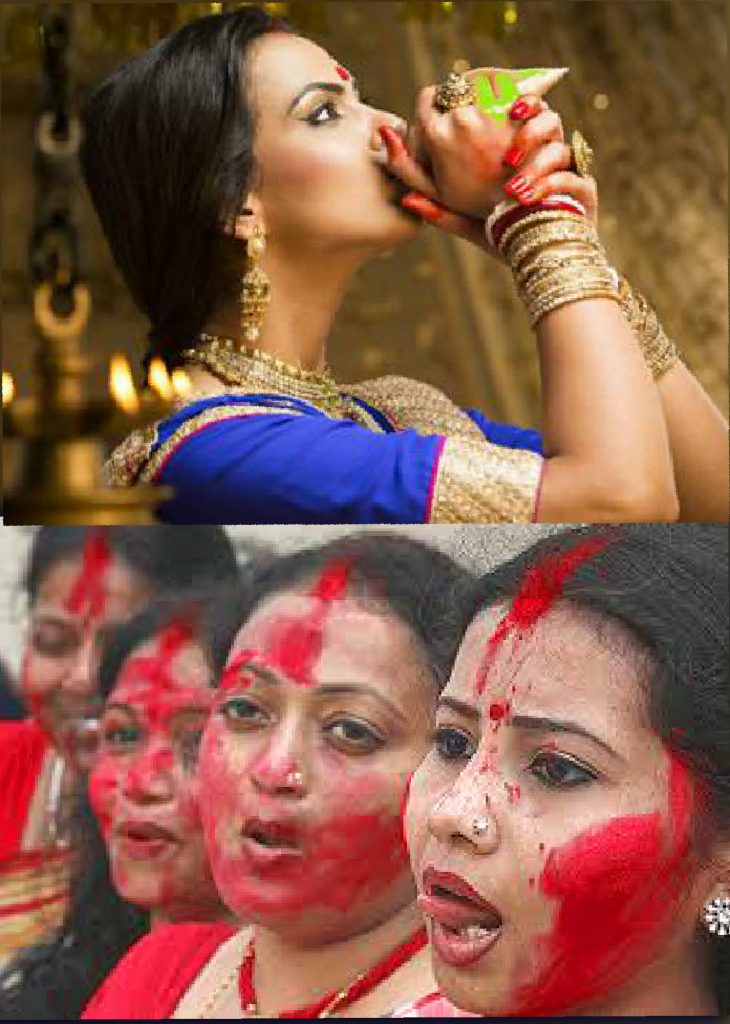
Unique Touch: Shubho Drishti – the bride and groom first see each other during the wedding, often with the bride lifted on a wooden stool (pidi). Conch shells (shankha) and ululation (ulu dhwani) mark auspicious moments. Bride wears shankha-pola (white and red bangles) after marriage.
Shubho Drishti
Shubho Drishti: Shubho Drishti is one of the most beautiful and emotional rituals in a Bengali Hindu wedding.
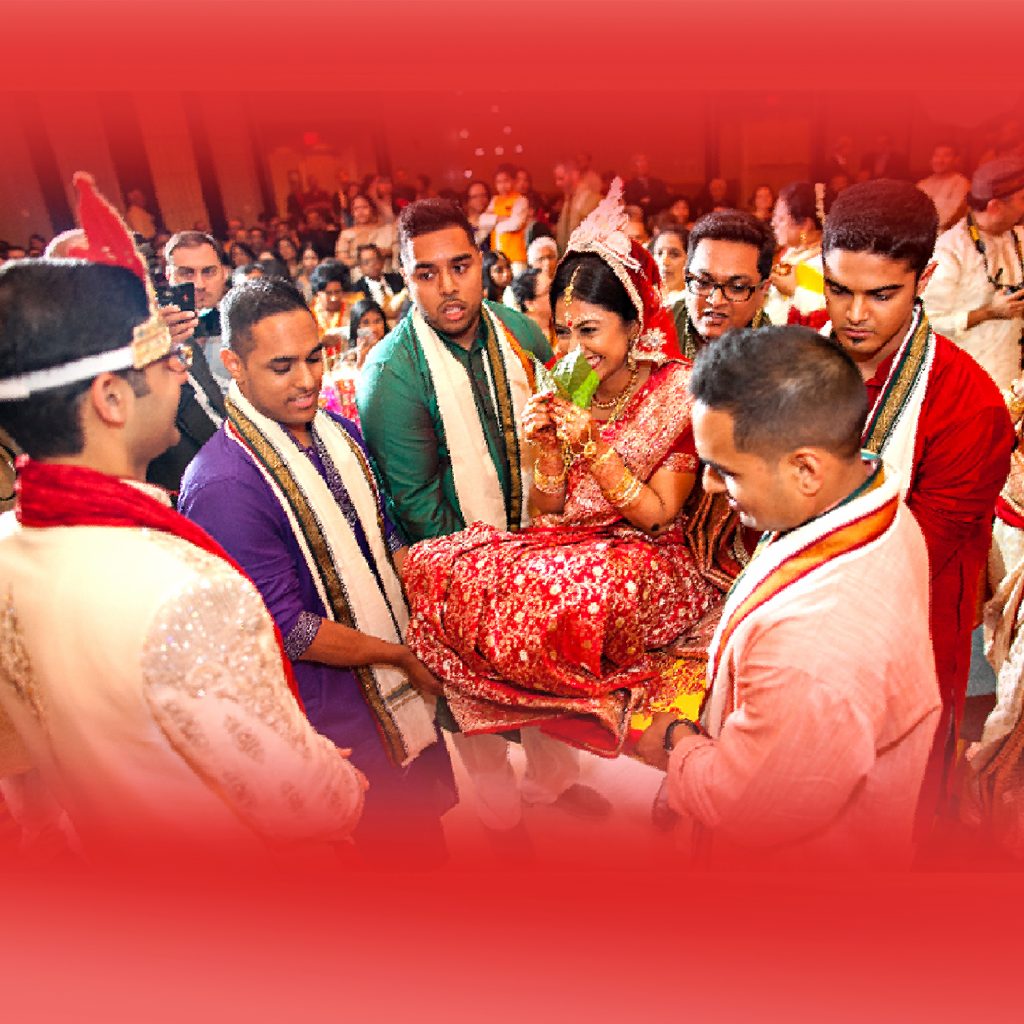
It literally means “Auspicious Sight”. This ritual takes place when the bride and groom see each other for the first time during the wedding ceremony.
The bride is traditionally brought to the wedding mandap seated on a piri (wooden plank) and is carried by her brothers or male relatives.
Initially, she keeps her eyes lowered, as she is not supposed to look directly at the groom.
After circling the groom seven times, the bride finally looks at him.
This first exchange of glances between the bride and groom, in front of family, friends, and deities, is considered very auspicious and symbolizes the beginning of their lifelong bond.
The moment is usually accompanied by the sound of conch shells (shankha) and ululation (uludhwani), adding a sacred and joyous atmosphere.
The ritual represents divine approval, purity, and the union of two souls in the presence of God and elders.
Conch shells (shankha) and ululation (uludhwani)
In traditional Hindu weddings, conch shells (shankha) and ululation (ulu dhwani) are sounded at sacred moments of the ceremony.
Conch shells (shankha): Blown to invoke divine blessings, dispel negativity, and signify purity and auspiciousness.
Ululation (ulu dhwani): A high-pitched sound made by women with their tongue, symbolizing joy, celebration, and warding off evil.
Together, they create a sacred atmosphere and mark key rituals like the bride’s entry, Shubho Drishti (first glance), and other auspicious moments.
Shankha-pola
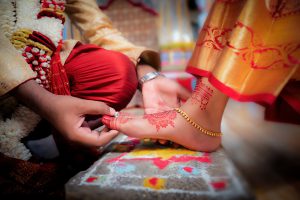
In Bengali weddings, the bride wears shankha-pola (white and red bangles) as a symbol of her married life.
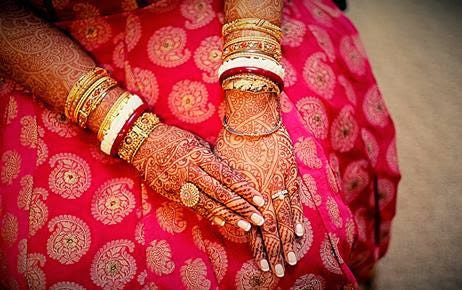
Shankha: White conch shell bangles, representing purity and auspiciousness.
Pola: Red coral bangles, signifying energy, fertility, and marital bliss.
Together, they are gifted by the groom’s family and are worn after marriage as a sacred sign of a married woman’s status and well-being of her husband.
Odisha
Like most Hindu weddings, Odia marriages are performed according to Vedic traditions, with priests chanting mantras and sacred fire rituals. However, they also have their own distinct customs.
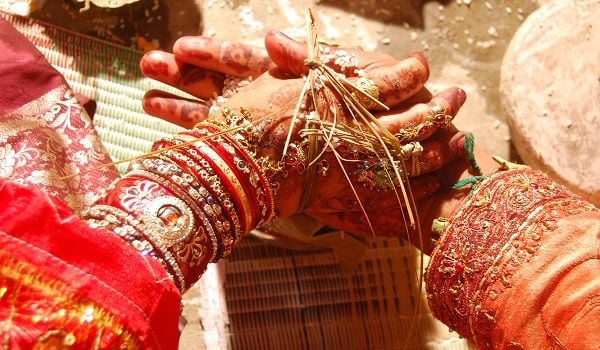
Kanyadaan (Hasta Milap): In Odia weddings, the ritual of Kanyadaan is called Hasta Milap. The bride’s hand is placed in the groom’s hand, and both are tied together with mango leaves and a sacred thread, symbolizing the sacred bond of union and lifelong companionship.
Mandap Chandua Canopy
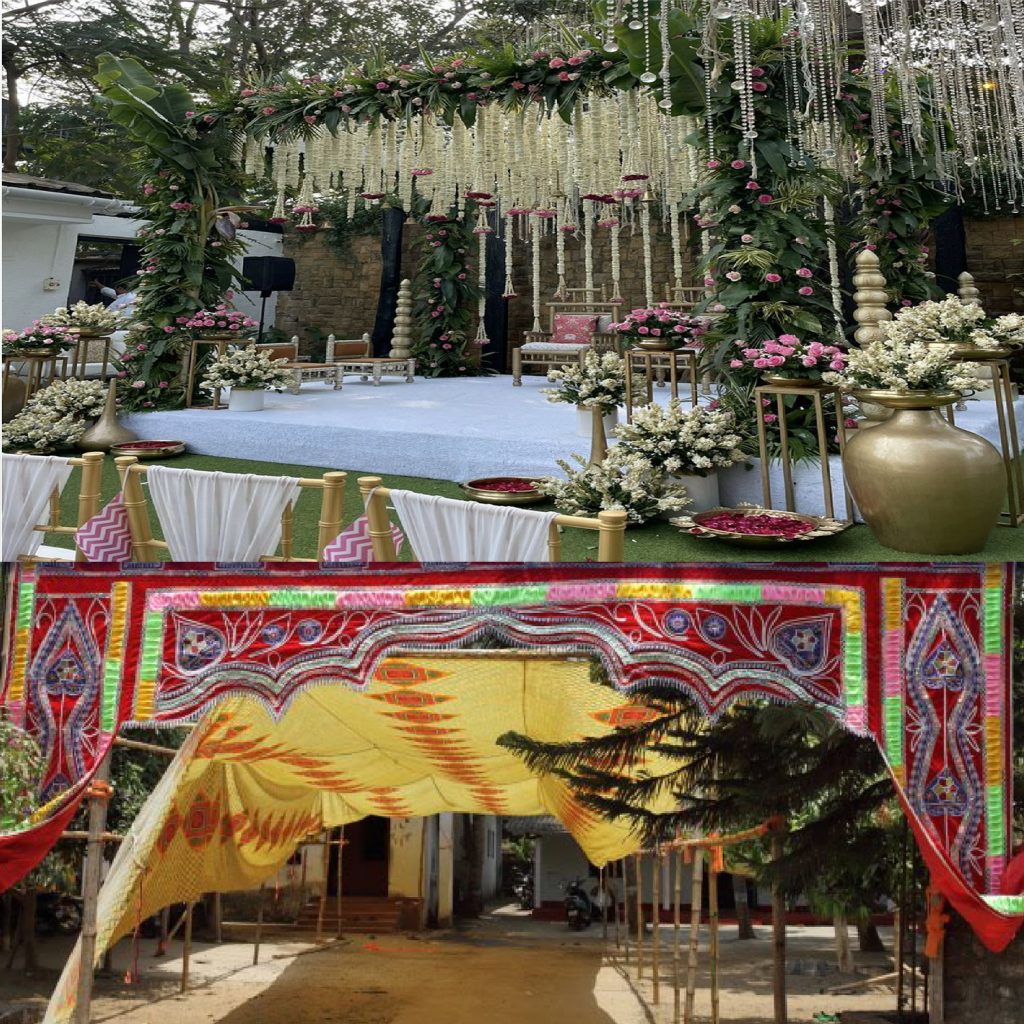
Wedding Mandap Decoration: The mandap (wedding pavilion) is traditionally decorated with coconut, banana trunks, and mango leaves, all considered symbols of fertility, prosperity, and auspiciousness in Odia culture.
Chandua Canopy: In some regions of Odisha, a beautifully handcrafted chandua (appliqué canopy) is used during the wedding rituals. It is made with colorful cloth pieces stitched in artistic patterns, symbolizing prosperity, festivity, and cultural heritage of Odisha.
Bihar
Like other Hindu weddings, Bihari marriages follow the Vedic system with chanting of mantras, sacred fire rituals, and blessings of elders. But Bihar has its own regional customs that make the weddings distinct.
Paricchavan
Paricchavan: A traditional Bihari ritual where the bride and groom are blessed by waving aarti with lamps, sacred water, and grains of rice in front of them. It is performed to protect the couple from evil influences and to invoke divine blessings for their new journey.
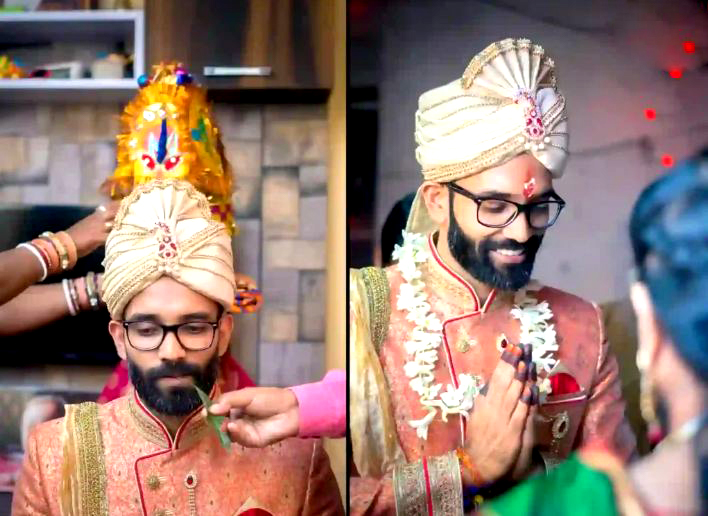
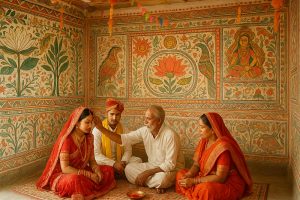
Kohbar Ghar
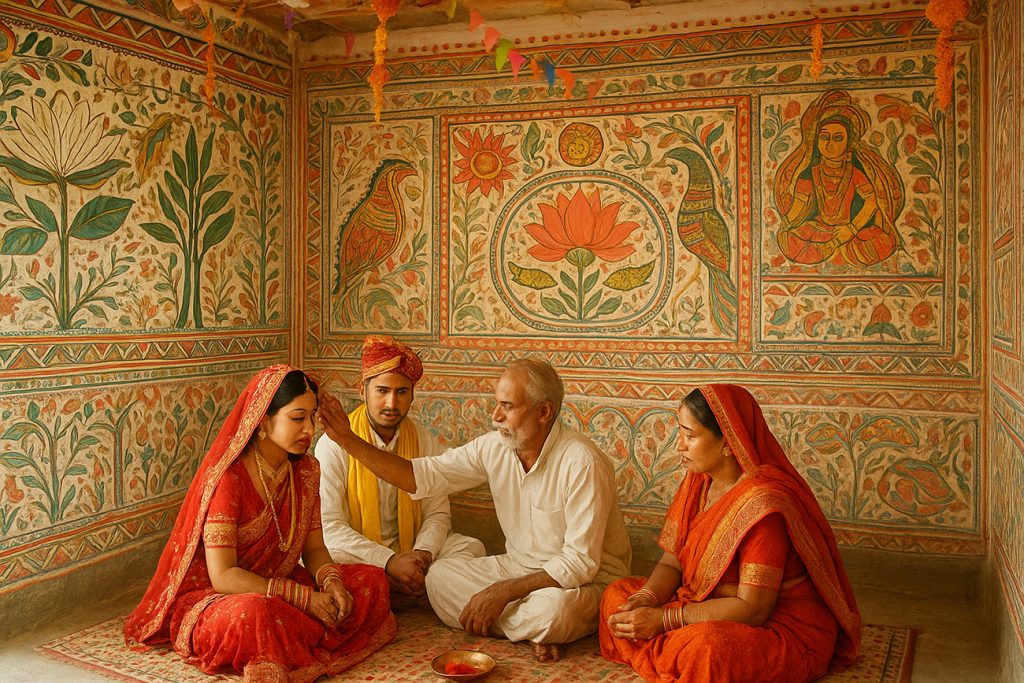
Kohbar Ghar: A special nuptial room prepared for the couple, where the walls are decorated with Kohbar paintings made using natural colors. These folk artworks depict symbols of fertility, love, and prosperity—such as lotus, bamboo, fish, and divine motifs—to bless the newlyweds with happiness and abundance.
Jharkhand
Like in many parts of India, marriages in Jharkhand are performed with Vedic mantras, Agni (sacred fire), and rituals like Kanyadaan, Mangal Phera, and Sindoor Daan. The priest chants verses from the Vedas to sanctify the union.
Community Dance & Music
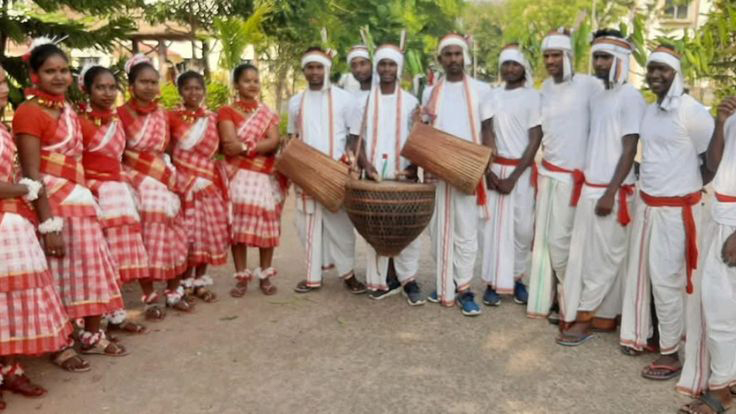
Community Dance & Music: Wedding celebrations in Jharkhand are filled with folk traditions. Instruments like mandar, nagara, and bansuri are played, while dances such as Domkach bring the community together in joy and laughter. These performances are not just entertainment but also symbolize unity and collective blessings for the couple.
Attire
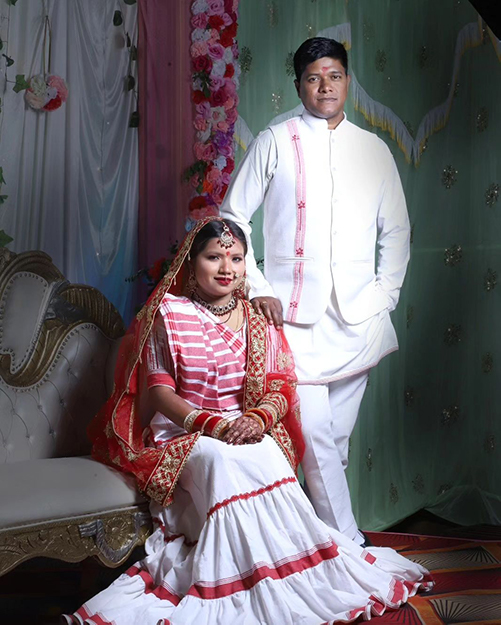
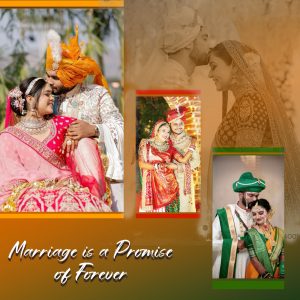
The bride traditionally wears a red or yellow saree with tribal ornaments, and the groom often wears a dhoti and kurta, sometimes with a turban